Procuring office furniture may seem like a simple administrative task. In reality, it’s a strategic decision that directly impacts the productivity of hundreds of employees, budget efficiency, and the company’s image for the next five to ten years.
Mistakes in this process are costly: substandard furniture, unreliable vendors, or poorly planned budgets can result in avoidable reinvestment.
This guide is specifically designed for procurement and purchasing teams who want to run their office furniture procurement process systematically, efficiently, and responsibly to management.
STAGE 1: DETAILED NEEDS ANALYSIS
Before sending a single request for quotation, conduct a comprehensive needs analysis. This isn’t just about counting chairs and desks—it’s about understanding how the space will be used.
What to gather from each division:
Number of regular users and room capacity
Type of work performed (individual focus, collaboration, presentations, etc.)
Average hours of use per day
Preferences or special needs (e.g., employees with specific physical conditions who require chairs with additional specifications)
Timeline of use: Will the team grow in the next 12–24 months?
Needs that are not properly analyzed upfront are the biggest source of waste in furniture procurement projects.
STAGE 2: SET CLEAR TECHNICAL SPECIFICATIONS
Ambiguous specifications invite problems. Vendors will offer products based on their interpretation—which may not necessarily meet your needs. A good specification document includes:
For office chairs:
Load capacity (kg)
Adjustable height range
Backrest material (mesh/foam/fabric)
Required features: lumbar support, adjustable armrests, recline mechanism
Minimum warranty per component (frame, mechanism, material)
For desks/workstations:
Minimum and maximum dimensions
Surface and frame material
Surface load capacity
Cable management requirements
Compatibility with partitions or modular systems
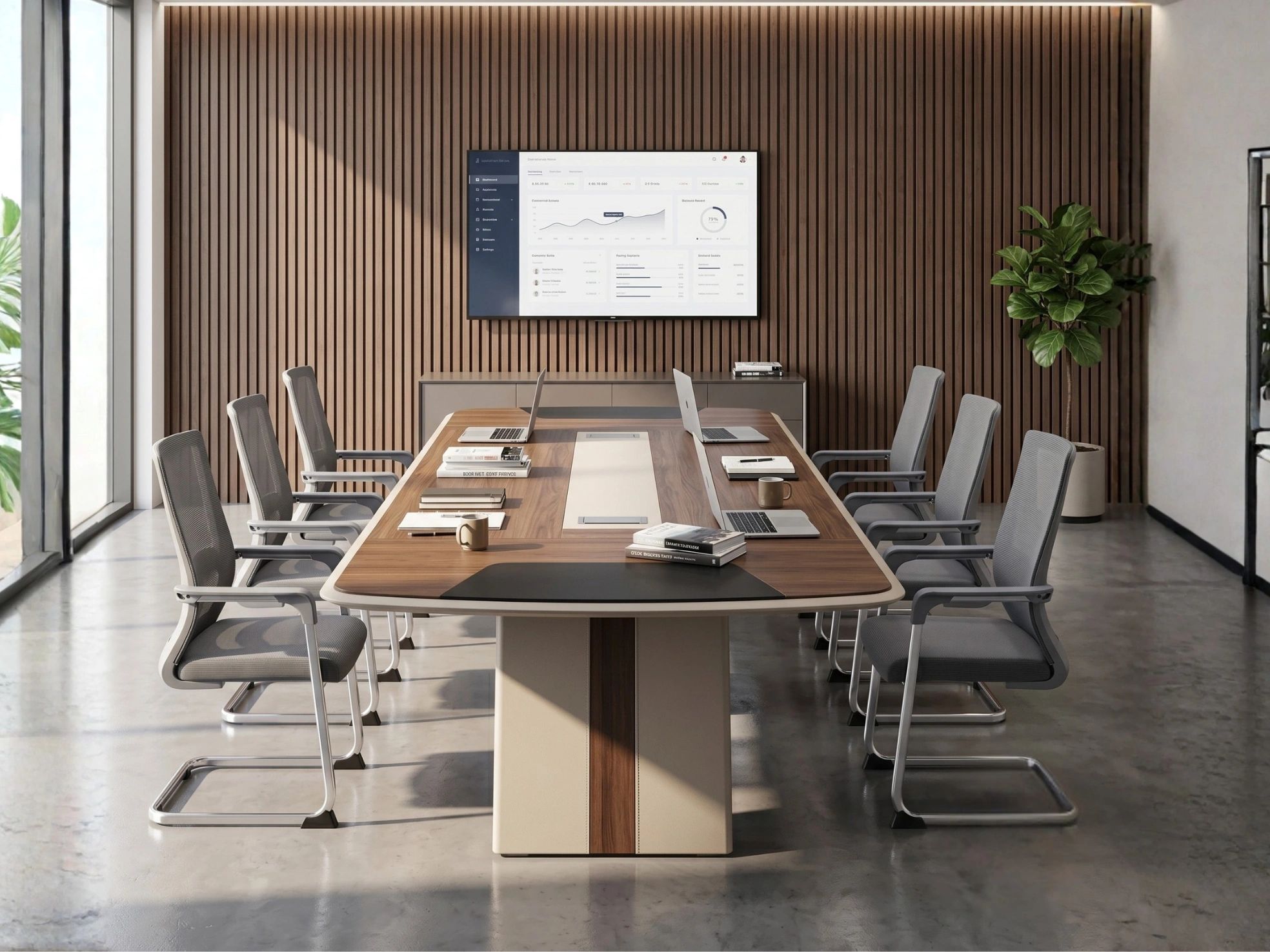
For conference tables:
Planned seating capacity
Shape (oval, square, U-shaped, modular)
Surface material and finish
Ease of installation and transportation (if needed)
Detailed specifications protect the procurement team from pressure to accept substandard substitutes.
STAGE 3: VENDOR SELECTION AND EVALUATION
Don’t just compare prices. Evaluate office furniture vendors based on at least five dimensions:
Client reputation and portfolio. Ask for references from similar projects. An experienced vendor will readily demonstrate a portfolio of work for companies or comparable sizes.
Actual product quality (not just brochures). Visit the showroom or request product samples before making a decision. Sit in the chair you’re planning to buy. Feel the mechanics. Check the quality of the welds and material finish.
Delivery and installation capabilities. Ask: Does delivery include installation? How long is the lead time for ready-stock and custom products? Is there a trained installation team?
After-sales service: A written warranty for each product, accessibility of repair services, and availability of spare parts. These are often the differentiators between a truly reliable vendor and one that’s only strong in the sales phase.
Flexibility and consulting capabilities: The best vendors aren’t just salespeople—they can help you plan the layout, recommend products that fit your budget and needs, and identify potential problems before work begins.
STEP 4: REALISTIC BUDGET STRUCTURE
A good office furniture budget doesn’t just include the unit price—this is a common mistake that often leads to overruns in the final stages. Ensure your budget structure includes:
Product price (unit price x quantity)
Shipping costs (depending on distance and volume)
Installation costs (if not included in the product price)
Applicable taxes
A 10–15% buffer for unforeseen needs or replacement of defects
For large-scale projects or those involving custom furniture, prepare a clear payment timeline and ensure there is a clause that protects the company in the event of delays or product non-conformities.
STAGE 5: VERIFICATION PROCESS BEFORE DELIVERY
Don’t assume the process is complete when the goods arrive. Conduct a thorough verification before signing the handover report:
Check specifications for compliance with procurement documents
Test all adjustable mechanisms (height, recline, armrests)
Inspect the physical condition of each unit (scratches, material defects, stability)
Confirm completeness of installation according to the agreed layout
Document the initial condition of each unit for future warranty claims
WHY A ONE-STOP SOLUTION VENDOR SAVES TIME AND COSTS
Work with a vendor that provides integrated services, from consultation on requirements, product, delivery, and more.