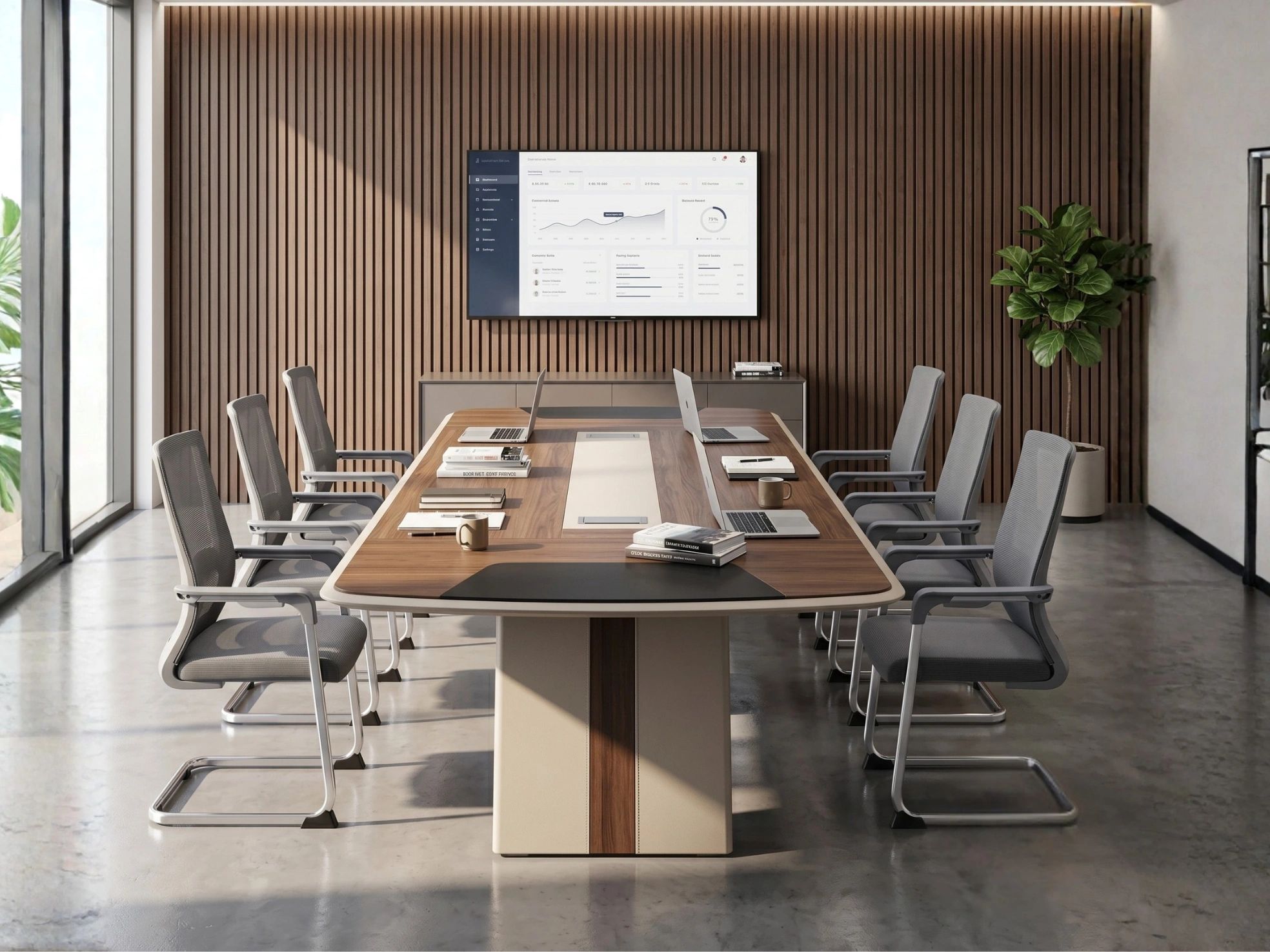
Procuring office furniture may seem like a simple administrative task. In reality, it is a strategic decision that can directly affect employee productivity, budget efficiency, workplace functionality, and the company’s professional image for the next five to ten years.
Mistakes during the procurement process can be costly. Substandard furniture, unreliable vendors, unclear specifications, or poorly planned budgets may lead to unnecessary replacements, operational disruptions, and avoidable reinvestment.
This office furniture procurement guide is designed for procurement and purchasing teams that want to manage the process systematically, efficiently, and responsibly while reducing purchasing risks.
Stage 1: Conduct a Detailed Needs Analysis
Before sending a single request for quotation, conduct a comprehensive needs analysis. This process should go beyond simply counting the number of desks and chairs required. The goal is to understand how each workspace will be used and what employees need to perform effectively.
Information to Gather From Each Division
- Number of regular users and required room capacity
- Type of work performed, such as individual focus work, collaboration, meetings, or presentations
- Average number of hours the furniture will be used each day
- Special requirements, including ergonomic considerations or employees who may require chairs with additional support or adjustability
- Expected team growth within the next 12–24 months
Needs that are not properly identified at the beginning of a project can become one of the biggest sources of waste in office furniture procurement.
A clear needs analysis also prevents companies from purchasing furniture that looks suitable on paper but does not match actual working conditions.
Stage 2: Define Clear Technical Specifications
Ambiguous specifications can create problems during vendor selection. Without clear requirements, different vendors may interpret your needs differently, making quotations difficult to compare and increasing the risk of receiving products that do not meet expectations.
A strong specification document should clearly define the minimum requirements for each furniture category.
Office Chair Specifications
Consider including:
- Maximum load capacity
- Adjustable seat height range
- Backrest material, such as mesh, foam, fabric, or leather
- Lumbar support requirements
- Adjustable or fixed armrests
- Recline or tilt mechanism
- Base and caster specifications
- Minimum warranty for the frame, mechanism, upholstery, and other components
For furniture that will be used for long working hours, ergonomic features should be considered alongside price.
Office Desk and Workstation Specifications
Define requirements such as:
- Minimum and maximum dimensions
- Desktop and frame materials
- Required surface load capacity
- Cable management system
- Storage requirements
- Compatibility with partitions or modular workstation systems
- Required finishes and colors
- Electrical or power outlet integration when necessary
For larger offices, modular systems can also make future expansion or layout changes easier.
Meeting and Conference Table Specifications
Consider:
- Planned seating capacity
- Required table dimensions
- Table shape, such as rectangular, oval, square, U-shaped, or modular
- Surface material and finish
- Cable management requirements
- Integrated power or connectivity options
- Ease of transportation and installation
- Ability to disassemble and reinstall if the office layout changes
Detailed specifications help protect procurement teams from being pressured into accepting lower-quality substitutes that do not meet the original requirements.
Stage 3: Evaluate and Select Office Furniture Vendors
Price is important, but it should not be the only factor used to select an office furniture supplier.
For larger procurement projects, vendors should be evaluated across several dimensions.
1. Reputation and Project Portfolio
Ask potential vendors to provide examples of previous projects, particularly those involving companies with similar requirements, office sizes, or procurement volumes.
An experienced supplier should be able to demonstrate relevant project experience and explain how they handled different workspace requirements.
2. Actual Product Quality
Do not rely exclusively on brochures, catalogs, or product photographs.
Whenever possible, visit the showroom or request product samples before making a final decision.
For office chairs, test the seating comfort, adjustment mechanisms, armrests, reclining system, and overall stability.
For desks, cabinets, and other furniture, inspect:
- Surface finishing
- Edge quality
- Hardware
- Welds and joints
- Drawer mechanisms
- Frame stability
- Material thickness
Physical inspection can reveal quality differences that may not be visible in a quotation.
3. Delivery and Installation Capabilities
Ask each vendor:
- Is delivery included in the quotation?
- Is professional installation included?
- What is the lead time for ready-stock products?
- What is the lead time for custom-made furniture?
- Does the company have its own trained installation team?
- Can installation be scheduled outside normal working hours if required?
For larger projects, installation capability can be just as important as product quality.
4. After-Sales Service and Warranty
After-sales support should be clearly documented before purchase.
Review:
- Warranty duration for each product
- Components covered by the warranty
- Repair procedures
- Typical service response time
- Availability of replacement parts
- Availability of technicians
Reliable after-sales support can significantly extend the useful life of office furniture and reduce future replacement costs.
5. Flexibility and Consulting Capability
A capable furniture supplier should do more than simply sell products.
Depending on the project, the vendor may also help with:
- Furniture selection
- Space planning
- Product configuration
- Budget optimization
- Layout recommendations
- Custom furniture requirements
- Installation planning
This can help procurement teams identify potential problems before purchasing begins.
Stage 4: Build a Realistic Office Furniture Budget
A common budgeting mistake is calculating the project based only on product unit prices.
A complete office furniture procurement budget should include all associated costs.
Recommended Budget Components
- Product cost based on unit price × quantity
- Delivery and logistics costs
- Installation costs if they are not included
- Applicable taxes
- Customization costs
- Additional accessories or electrical components
- Removal or relocation of existing furniture when required
- A contingency buffer of approximately 10–15% for unexpected requirements
The contingency budget can be useful for additional units, damaged products, specification changes, or minor requirements identified during installation.
For larger projects or projects involving custom-made furniture, establish a clear payment schedule before placing the order.
Payment terms may be tied to milestones such as:
- Purchase order confirmation
- Production progress
- Delivery
- Installation completion
- Final inspection and handover
The procurement agreement should also clearly address delays, defective products, incomplete delivery, and products that do not match the approved specifications.
Stage 5: Verify Products Before Final Handover
The procurement process should not be considered complete simply because the furniture has arrived.
Before signing the final handover report, conduct a systematic inspection.
Office Furniture Inspection Checklist
- Confirm that delivered products match the approved specifications
- Verify product quantities
- Check dimensions where necessary
- Test all adjustable mechanisms
- Inspect chairs for stability and movement
- Check desks, cabinets, drawers, locks, and hinges
- Inspect surfaces for scratches, dents, chips, or finishing defects
- Confirm that all furniture has been installed according to the approved layout
- Verify cable management and integrated electrical components
- Record any missing, damaged, or defective items
- Document the initial condition of important units for future warranty claims
Any discrepancies should be documented before the handover document is approved.
Why a One-Stop Office Furniture Vendor Can Save Time and Cost
For medium to large office projects, coordinating multiple furniture suppliers, installers, logistics providers, and contractors can significantly increase administrative complexity.
Working with an integrated office furniture vendor can simplify the process by combining several services under one project team.
A one-stop office furniture provider may support the project through:
- Requirements consultation
- Product recommendations
- Workspace planning
- Ready-stock furniture supply
- Custom furniture production
- Delivery and logistics
- Professional installation
- After-sales service
- Warranty support
Centralizing these responsibilities can reduce coordination issues, simplify communication, and make project timelines easier to manage.
When evaluating a one-stop solution provider, procurement teams should still assess product quality, pricing transparency, project experience, warranty terms, and service capabilities before making a final decision.
Final Considerations
Successful office furniture procurement is not simply about finding the lowest quotation. It requires balancing product quality, employee needs, technical specifications, project timelines, vendor reliability, after-sales support, and total cost of ownership.
A structured procurement process helps companies reduce purchasing risks while ensuring the furniture selected can support everyday operations for years to come.
By conducting a detailed needs analysis, establishing measurable specifications, evaluating vendors carefully, preparing a realistic budget, and completing a thorough inspection before handover, procurement teams can make office furniture purchasing decisions with greater confidence.
For companies planning a new office, office expansion, relocation, or furniture replacement project, working with an experienced office furniture provider can also help simplify planning, product selection, delivery, installation, and ongoing support.